


 English
 Español
 عربى
عربى
 英语
英语 西班牙语
西班牙语 阿拉伯语
阿拉伯语عندما يفتح المشتري عينة من مجموعات الفراش المصنوعة من الخيزران، يكون الاختبار الأول عادةً بسيطًا: اضغط على إحدى الزوايا على الخد لترى ما إذا كان القماش يبدو باردًا وكثيفًا وناعمًا بشكل موحد. توفر مجموعة الفراش المصنوعة من الخيزران المنسوج جيدًا هذا الإحساس. لكن الشحنات المختلطة من موردين متعددين تكشف عن واقع مختلف. بعض مجموعات الخيزران تصبح طرية بعد غسلتين. يتم إدراج المنتجات الأخرى على أنها مصنوعة من الخيزران بنسبة 100% ولكنها تحتوي على 50% من الفيسكوز من لب الخشب، وليس من الخيزران. وبعضها يتمتع بملمس جذاب لليد ولكنه يفشل في فحص ثبات الألوان الأساسي للظلال الداكنة. بالنسبة إلى تاجر الجملة أو التجزئة أو مشتري الضيافة، فإن المفتاح ليس ما يقوله الملصق عن الخيزران، ولكن كيفية أداء القماش عبر طلبك بالكامل.
محتوى
- 1 لماذا تستحق مجموعات الفراش المصنوعة من الخيزران إضافتها إلى مجموعتك؟
- 2 كيف يقارن الخيزران مع القطن والبوليستر في الفراش
- 3 المكونات الرئيسية لمجموعة الفراش الخيزران
- 4 مواصفات الجودة للتحقق قبل تقديم الطلب
- 5 اعتبارات الرعاية والصيانة للفراش الخيزران
- 6 اختيار الشركة المصنعة لبرنامج طقم الفراش الخيزران الخاص بك
- 7 لماذا يهم المصنع الموثوق به لخط الخيزران الخاص بك
- 8 قائمة مرجعية قابلة للتنفيذ للحصول على مجموعة مفروشات من الخيزران
لماذا تستحق مجموعات الفراش المصنوعة من الخيزران إضافتها إلى مجموعتك؟
نسيج الخيزران يجلب ملف تعريف فائدة محدد لبرنامج الفراش. إنه يمتص الرطوبة بشكل طبيعي، مما يساعد على تنظيم درجة حرارة الجسم في المناخات الدافئة أو الرطبة. تتميز الألياف بسطح أملس للغاية، لذلك فهي تنتج ملمسًا ناعمًا لليد غالبًا ما ينافس الحرير أو البوليستر عالي الجودة. بالنسبة لتجار التجزئة ومشتري الضيافة، تدعم هذه الخصائص قصة البيع الرئيسية لمجموعة الفراش المصنوعة من الخيزران: الراحة التي تتحمل حرارة الصيف بشكل أفضل من القطن والمتانة التي تتفوق على الألياف الدقيقة المعالجة بخفة.
بالنسبة للمستوردين، تظهر القيمة العملية عندما يطلب عملاؤك مادة تبدو فاخرة ولكنها لا تتحمل تكلفة أو وزن القطن المصري. تتوافق مجموعات الفراش المصنوعة من الخيزران أيضًا مع الطلب المتزايد على المنسوجات المنزلية ذات المصادر الطبيعية عبر أسواق أوروبا وأمريكا الشمالية. أضافت العديد من برامج العلامات التجارية الخاصة بالفعل مجموعة من الخيزران، وعادةً ما ثبتتها في الطبقة المتوسطة إلى العليا من النطاق.
كيف يقارن الخيزران مع القطن والبوليستر في الفراش
لاتخاذ قرار بشأن التوريد، تحتاج إلى مقارنة المواد عبر الخصائص التي يستخدمها فرق المبيعات والعملاء فعليًا في أوصاف منتجاتهم: إدارة الرطوبة، والمتانة، وتعقيد الرعاية، وتحديد التكلفة.
| مادة | إدارة الرطوبة | يشعر اليد | المتانة | متطلبات الرعاية | موقف السعر النموذجي |
|---|---|---|---|---|---|
| فيسكوز الخيزران | فتل ممتازة والتهوية | ناعم، حريري، ناعم | جيد عند مزجه مع القطن أو البوليستر | يُغسل في الغسالة بماء بارد، دورة خفيفة | منتصف إلى عالية |
| قطن | يمتص الرطوبة ببطء | حازم وواضح عندما يكون جديدًا | عالية جدا | غسيل عادي وسهل | نطاق واسع |
| ألياف البوليستر الدقيقة | معتدل، يمكن أن يحبس الحرارة | ناعمة ولكنها أقل طبيعية | عالية | من السهل جدا، ومنخفضة المخاطر | منخفضة إلى متوسطة |
الفجوة السعرية بين فيسكوز الخيزران والألياف الدقيقة القياسية حقيقية، ولكنها تضيق عندما يتم مزج الخيزران مع القطن. هذا هو السبب في أن العديد من مجموعات الفراش المصنوعة من الخيزران التجارية تستخدم مزيجًا من قطن الخيزران بدلاً من الخيزران بنسبة 100%. على سبيل المثال، يحافظ مزيج الخيزران بنسبة 35% والبوليستر بنسبة 65% على تحسن ملمس اليد مع الحفاظ على ثبات الأبعاد وخفض تكلفة القماش. يجب على المشترين بالجملة أن ينظروا إلى نسب المزيج كمواصفات أساسية، وليس كتفاصيل بسيطة.
المكونات الرئيسية لمجموعة الفراش الخيزران
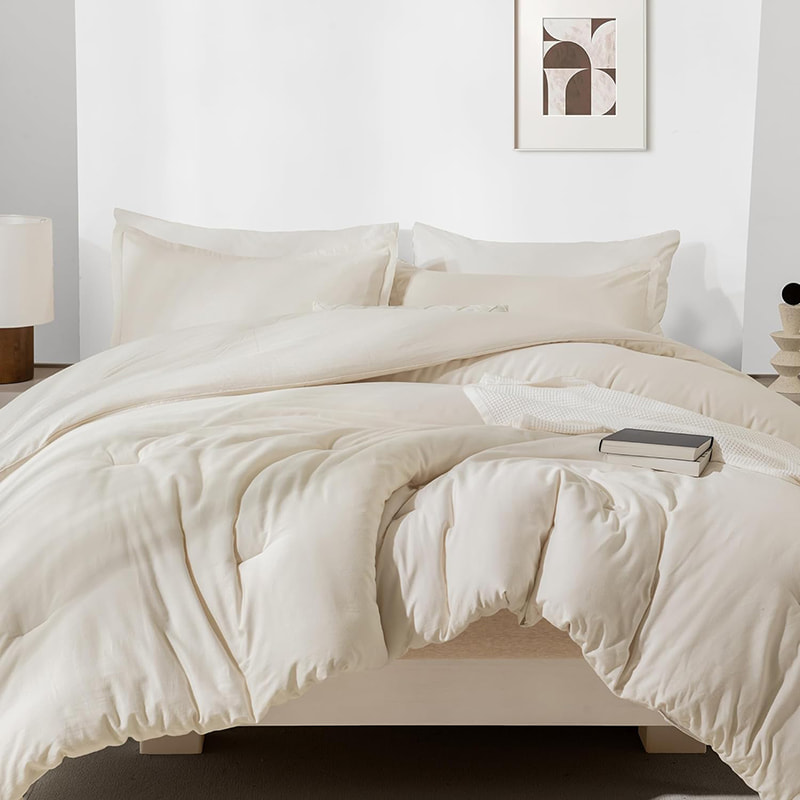
تشتمل مجموعة الفراش المصنوعة من الخيزران عادةً على لحاف أو غطاء لحاف بالإضافة إلى أغطية وسائد متطابقة وربما ملاءة مناسبة. بالنسبة لطلب فندقي أو مؤسسي، قد تحتاج إلى حزمة كاملة تحتوي على لحاف بحجم كوين أو كينج، وأربعة أغطية وسائد، وملاءة مثبتة. عند شراء مجموعات مكونة من ثلاث أو أربع قطع، افحص طريقة تصنيع اللحاف أولًا. تستخدم أفضل ألحفة الخيزران نمط خياطة مربع أو ماسي يمنع الحشو من التحرك. 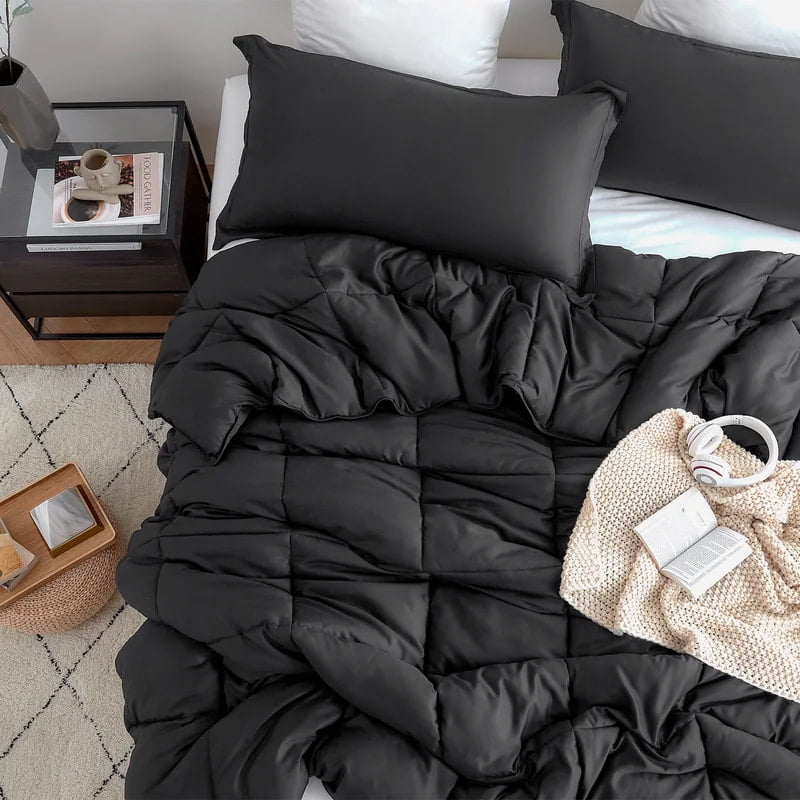 طقم لحاف من ألياف الخيزران بلون سادة مع خياطة يتميز طقم لحاف الخيزران هذا بلون موحد موحد ونسيج كثيف، مع خياطة مربعة للحفاظ على الحشو في مكانه. مثالية لبرامج الفنادق، فهي تحتوي على لحاف وغطاءين للوسائد بدون حشوة، مما يسمح باختيار حشوة مخصصة. عرض المنتج → – يوضح خط الإنتاج هذا لماذا تعمل مجموعة لحاف الخيزران الناعمة ذات اللون الصلب بشكل جيد مع برامج الفنادق: اللون موحد، والنسيج منسوج بكثافة، والخياطة تخلق مظهرًا منظمًا لا يحتاج إلى طباعة لبيع نفسه.
تعد مجموعات الملاءات جزءًا مهمًا آخر من مجموعة أغطية السرير المصنوعة من الخيزران. يجب أن تحتوي الملاءة المثبتة على مرونة واسعة بما يكفي لتمتد دون أن تتمزق فوق وسادة المرتبة. يجب أن تكون الخياطة على الحاشية متساوية وغير مجعدة بعد الغسلة الأولى. بالنسبة للمشترين الذين يبيعون للمستهلكين ذوي البشرة الحساسة، فإن صفائح الخيزران بنسبة 100% جذابة، لكنهم يحتاجون إلى GSM أعلى لتجنب أن تكون رقيقة جدًا. 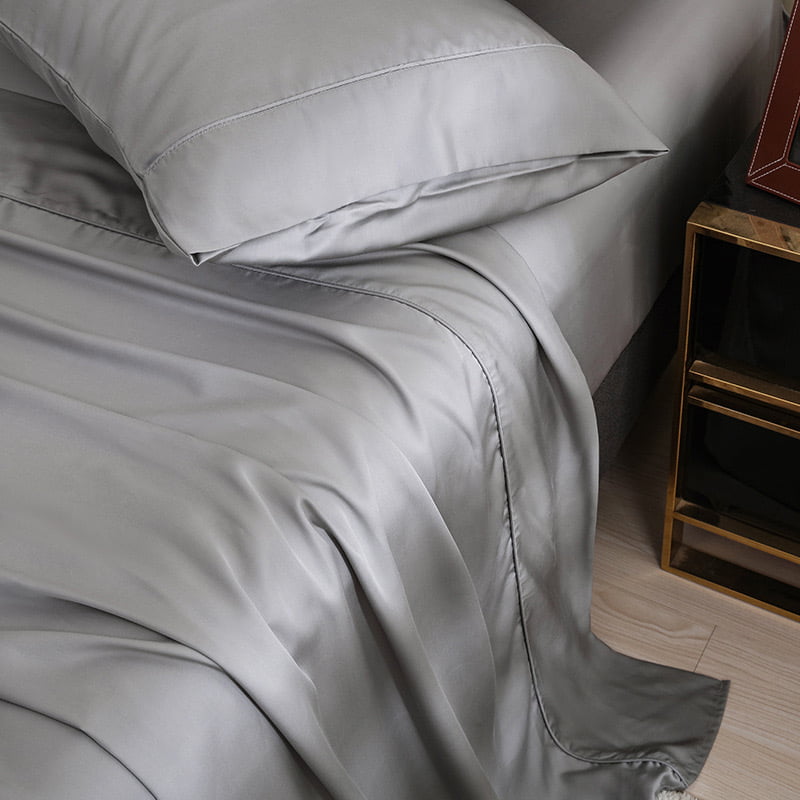 مجموعة ملاءات سرير من ألياف الخيزران الطبيعية النقية مصنوعة من ألياف الخيزران بنسبة 100%، توفر مجموعة الملاءات المكونة من أربع قطع سطحًا أملسًا وغير شفاف وتهوية ممتازة. خصائصه الطبيعية المضادة للبكتيريا وتنظيم الرطوبة تجعله مناسبًا للبشرة الحساسة، مع تصميم عادي اللون يناسب مختلف أنماط المنزل. عرض المنتج → - يستخدم هذا الخيار بنية من ألياف الخيزران الطبيعية النقية التي توفر سطحًا متسقًا وغير شفاف من القماش وثنى ناعمًا.
بالنسبة للأسواق التي تكون فيها حساسية الأسعار حاسمة، توفر خلطات قطن الخيزران طريقًا وسطًا. يمنح محتوى القطن قوة هيكلية ولمسة نهائية أسهل، بينما يضيف محتوى الخيزران النعومة والامتصاص. 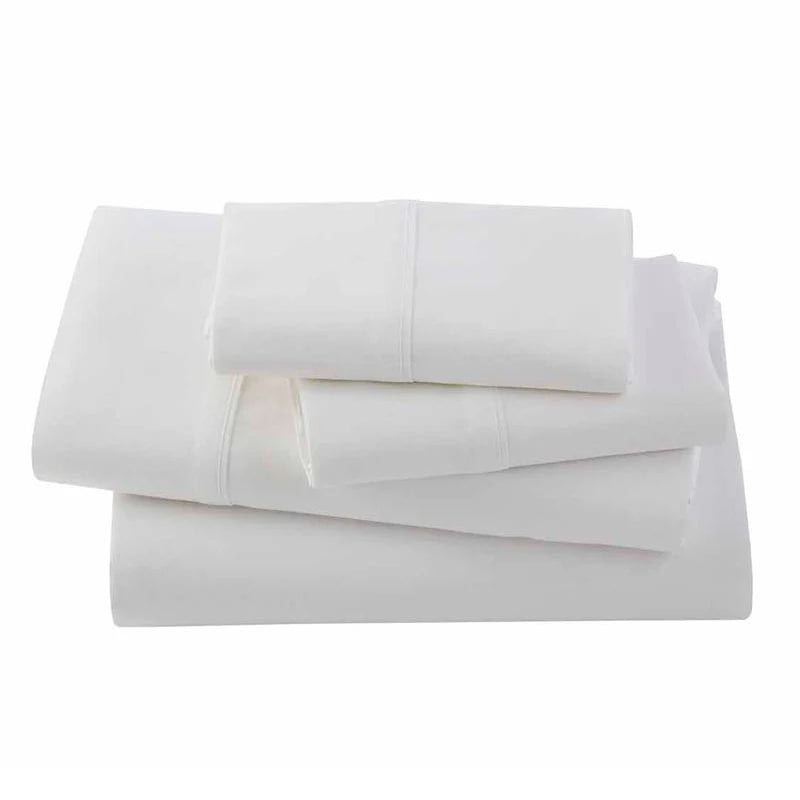 طقم ملاءات سرير من مزيج قطن الخيزران تجمع مجموعة الملاءات هذه بين نعومة ألياف الخيزران ومتانة القطن، مما يوفر تهوية جيدة وامتصاص للرطوبة. يناسب التصميم ذو اللون البسيط غرف النوم الحديثة، والنسيج مقاوم للتشوه والبهتان بعد عدة غسلات. عرض المنتج → - تعد مجموعة الملاءات المخلوطة هذه مثالًا جيدًا لكيفية دمج الخيزران في حزمة تجارية بتكلفة يسهل الوصول إليها.
مواصفات الجودة للتحقق قبل تقديم الطلب
1. تكوين الألياف ونسبة المزيج
عادة ما تكون أقمشة الخيزران مصنوعة من ألياف الخيزران الفسكوزي، وليس ألياف الخيزران المعالجة ميكانيكيًا. مصطلح "ألياف الخيزران" المطبوع على الملصق ليس دليلاً على محتوى الخيزران بنسبة 100%. عندما تتلقى عرض أسعار لمجموعة مفروشات من الخيزران، اسأل عن نسبة المزج الدقيقة ومصدر الفسكوز. يجب التحقق من منتج فيسكوز الخيزران بنسبة 100% من خلال اختبار معملي، خاصة إذا كان البائع يدعي أن أصله طبيعي خالص. سوف توفر الشركات المصنعة الشرعية تفاصيل تكوين الألياف لكل SKU.
2. وزن القماش وكثافة النسج
تتراوح مجموعة صفائح الخيزران الممتازة عادةً من 110 إلى 150 جرامًا لكل متر مربع لمزيج قطن الخيزران المنسوج. يمكن أن تبدو ورقة الفيسكوز المصنوعة من الخيزران بنسبة 100% بوزن 120 جرامًا في المتر المربع خفيفة جدًا، لذا تحقق مما إذا كانت الشركة المصنعة تضيف عددًا أكبر من الخيوط أو بنية أثقل قليلاً. افتح زاوية العينة وارفعها إلى الضوء. إذا كان بإمكانك رؤية الصورة الظلية ليدك بوضوح، فمن المحتمل أن يكون القماش رقيقًا جدًا بالنسبة لمنتج البيع بالتجزئة الذي سيغسله العملاء بشكل متكرر.
3. طريقة الخياطة والبناء
بالنسبة للألحفة، يجب أن يوفر نمط خياطة اللحف مساحة كافية لتغيير الحشو. شبكة خياطة كثيفة جدًا تجعل اللحاف قاسيًا؛ متناثر جدًا مما يسمح للحشو بالتكتل بعد الغسيل في الغسالة. تعتبر الغرزة المربعة من 8 إلى 10 بوصات على طقم لحاف من الخيزران نقطة بداية معقولة. تحقق مما إذا كانت الأنابيب الموجودة على الحافة مستقيمة وما إذا كانت بدلات التماس متساوية عبر خط الإنتاج بأكمله.
4. ثبات اللون وجودة الصبغة
يأخذ فسكوزي الخيزران الصبغة جيدًا، لكن الألوان الداكنة يمكن أن تنزف إذا استخدم المورد أصباغًا تفاعلية منخفضة الجودة. قم بإجراء اختبار فرك بسيط على عينة: امسح قطعة قماش بيضاء مبللة فوق القماش ولاحظ ما إذا كان هناك أي لون سينتقل. بالنسبة للمشترين التجاريين الذين يخدمون قطاع الضيافة، يعد ثبات اللون عند الغسيل أمرًا ضروريًا لأنه سيتم غسل الأغطية بشكل متكرر في الآلات التجارية باستخدام منظفات قوية.
اعتبارات الرعاية والصيانة للفراش الخيزران
تتمتع مجموعات الفراش المصنوعة من الخيزران بملف رعاية محدد يجب على المشترين توصيله للعملاء. نظرًا لأن فسكوز الخيزران أكثر نعومة من القطن، فهو أكثر عرضة للتجاعيد إذا ترك في المجفف. بالنسبة لبرنامج البيع بالجملة، يجب أن تشير ملصقات العناية بالشركة المصنعة إلى الغسيل في الغسالة على البارد، ودورة لطيفة، والتجفيف على درجة حرارة منخفضة. تجنب التوصية باستخدام مواد التبييض أو منعم الأقمشة لأن كلاهما يقلل من جودة امتصاص الرطوبة بمرور الوقت.
بالنسبة لبرامج الضيافة، قد تحتاج مجموعات الفراش المصنوعة من الخيزران إلى مقاومة الغسيل التجاري مع القلوية ودرجات الحرارة المرتفعة. في هذا السيناريو، عادةً ما يكون مزيج قطن الخيزران أكثر أمانًا من فسكوز الخيزران بنسبة 100%، لأن بنية القطن تساعد النسيج على الاحتفاظ بثبات الأبعاد. هذه إحدى نقاط المحادثة الرئيسية عندما يقرر مشتري الفندق أو المنتجع ما إذا كانت مجموعة الفراش المصنوعة من الخيزران تناسب ميزانية التشغيل الخاصة به.
اختيار الشركة المصنعة لبرنامج طقم الفراش الخيزران الخاص بك
ليس لدى كل مصنع للفراش سيطرة ثابتة على جودة نسيج الخيزران. نظرًا لأن الخيزران غالبًا ما تتم معالجته وتحويله إلى فيسكوز بواسطة مورد منفصل، يجب على مصنع النسيج الحفاظ على عملية فحص صارمة على القماش الرمادي الوارد، والتحقق من المزيج، واتساق كمية الصبغة. عند تقييم المصنع، اسأل عن نقاط محددة لفحص الجودة:
- هل يقومون باختبار تركيبة الألياف على اللفات الداخلية من قماش الخيزران والفيسكوز؟
- هل يستخدمون إجراء فحص قياسيًا لثبات الألوان في كل مجموعة صبغ؟
- هل يمكنهم توفير نسب مزيج مختلفة لنفس رقم المنتج، مثل 100% خيزران، أو 35% خيزران/65% بوليستر، أو 50% خيزران/50% قطن؟
- ما هو الحد الأقصى لعرض القماش الذي يمكنهم معالجته، وهل يؤثر ذلك على حجم الملاءة أو اللحاف المفضل لديك؟
تعتبر خبرة التصنيع مهمة عندما تحتاج إلى مطابقة مواصفات المنتج. لقد عمل أحد الموردين الذين لديهم فئة مخصصة للمنسوجات المنزلية من الخيزران على حل المشكلات الشائعة المتعلقة بانكماش القماش والتشطيب وجودة الغرز. للحصول على صورة أوضح لما يدخل في مجموعة مفروشات الخيزران بدءًا من مستوى القماش إلى أعلى، يمكنك القراءة دليل المشتري الكامل لمجموعات أوراق الخيزران والتحقق من نقطة معرفة لحاف سرير من الخيزران قبل شراء واحدة . تشرح هذه الموارد اعتبارات العرض النموذجية لكل نوع منتج في برنامج الفراش التجاري.
لماذا يهم المصنع الموثوق به لخط الخيزران الخاص بك
عندما يطلق بائع تجزئة أ مجموعة الفراش الخيزران المجموعة، وعد المنتج يدور حول التبريد والنعومة والملمس الطبيعي. يفشل هذا الوعد إذا سلمت الشحنة الأولى ظلالاً غير متناسقة، أو ملاءات رقيقة، أو ألحفة تفقد مكانتها في غضون شهر. يساعدك اختيار الشركة المصنعة التي تقوم باختبار أداء النسيج وتوثيقه على تجنب هذه المخاطر منذ البداية. كما يتيح لك أيضًا بناء قصة علامة تجارية خاصة حول تركيبة المواد التي يمكن تتبعها وفحوصات الجودة الخاضعة للرقابة، وهي ميزة واضحة عند جذب المشترين الذين يركزون على الاستدامة في الأسواق المتقدمة.
يمكن لمصانع النسيج ذات الخبرة في قطاع تصدير المنسوجات المنزلية دعم الحجم المخصص والتعبئة والتحميل المختلط لوحدات SKU المتعددة ضمن برنامج واحد. يمكنهم أيضًا ضبط نسب المزج لتحسين التكلفة مقابل الأداء، وهو أمر مفيد بشكل خاص عند العمل مع هيكل تسعير متعدد المستويات عبر قنوات البيع بالتجزئة.
قائمة مرجعية قابلة للتنفيذ للحصول على مجموعة مفروشات من الخيزران
استخدم قائمة المراجعة هذه عند مراجعة عروض الأسعار أو زيارة منشأة المورد:
- تأكد من نسبة تكوين الألياف لكل رقم المنتج.
- قم بإجراء اختبار فرك على الأقمشة ذات الألوان الداكنة للتحقق من انتقال الصبغة.
- تحقق من GSM للورقة المجهزة وصلابة الشريط المطاطي.
- فحص كثافة اللحف من المعزي أو غطاء اللحاف.
- اغسل مجموعة العينات مرتين في الماء البارد وقم بقياس الانكماش.
- اسأل ما إذا كان المصنع لديه خبرة تصدير حالية في مجال المنسوجات المنزلية المصنوعة من الخيزران.
- اطلب تقديرات قابلية التحميل للتغليف المستهدف وقم بتعيين التكوين.
إن العمل مع مورد لديه فئة منسوجات منزلية من الخيزران هو أفضل مؤشر على أنه قد حل المشكلات الفنية التي ستواجهها مصانع القطن النموذجية عند التحول إلى الخيزران. قد يصل الفرق إلى 2% من تباين الانكماش، أو لمسة نهائية أكثر سلاسة، أو وزن نسيج ثابت عبر الحاوية بأكملها - وهي العوامل التي تؤثر بشكل مباشر على عائدك على برنامج مجموعة مفروشات الخيزران.

 +86-159 5050 0822
 peter@rainbowhomefashion.com
 No.199 Yimin Road, Dateng DIstrIct, Yancheng City. Jiangsu Province, China